Field notes: the roof got repainted, and the baseline nearly got thrown out
A repainted roof lit up a three-year baseline like day one. The right call was recalibrating it, not scrapping the history behind it.
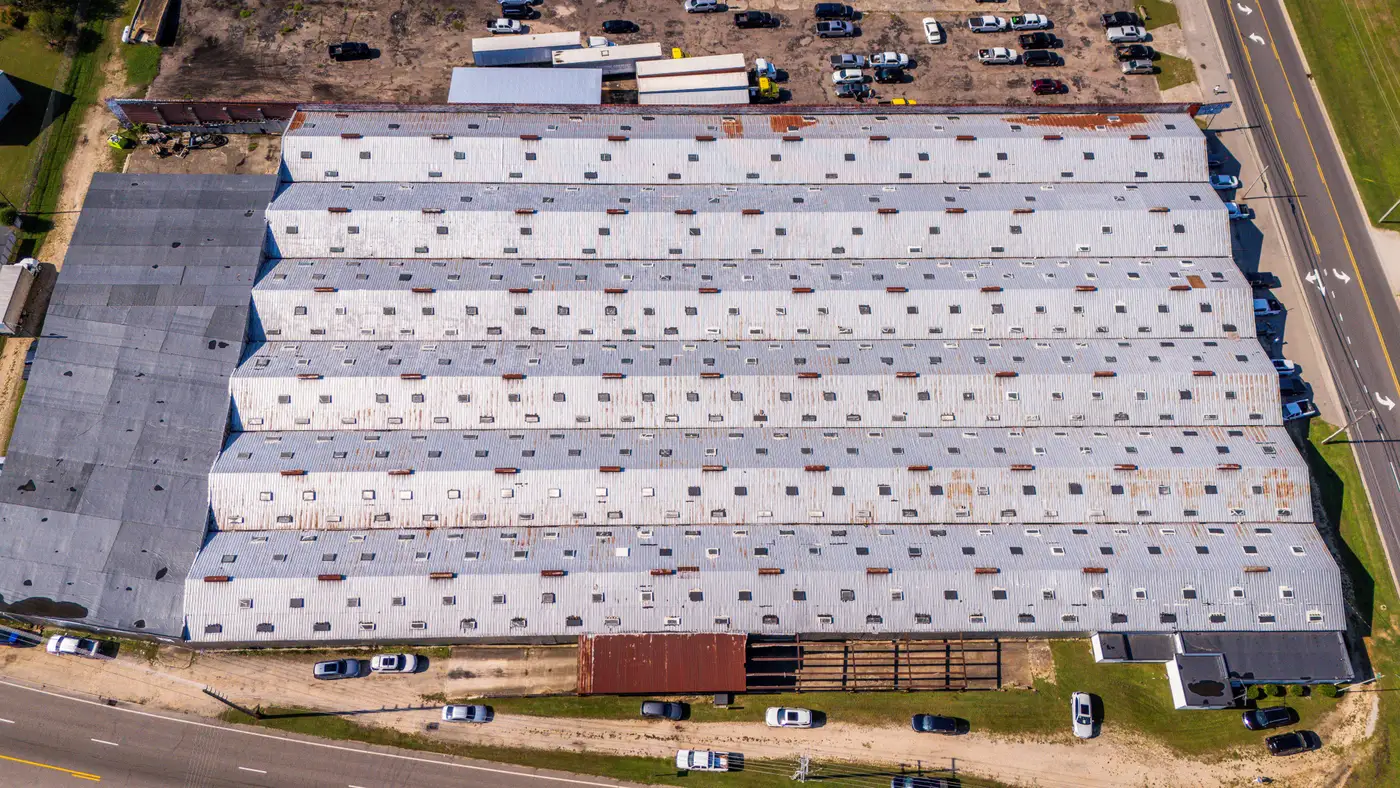
It started as a maintenance note, not an anomaly. Facility crews at a site we'd been tracking for a little over three years put a new reflective coating on the main warehouse roof over a long weekend. By Monday's pass, the change detection layer lit up like the building had been swapped out entirely.
The reflectance shift wasn't subtle. Fresh coating on a large flat roof changes the spectral signature in RGB enough that the system flagged the entire structure footprint as deviation. Not a corner, not a shadow edge, the whole roof. Three years of daily looks, and the single biggest flag in the queue was a paint job.
Someone on the team, reasonably, asked whether the baseline itself was now compromised. If the roof looks that different, what else in the accumulated pattern is stale? The instinct was to scrap it and start the clock over, treat the repaint as a hard reset and rebuild three years of normal from scratch.
That instinct is wrong more often than it's right, and this is worth sitting with, because the same question comes up with resurfaced parking lots, new HVAC units on a rooftop, repainted hangar doors, a gravel lot that gets paved. The physical site changed. The pattern of life around it mostly didn't.
What happened at this site: vehicle counts in the lot held steady. Loading dock activity followed the same weekly rhythm it always had. The handful of structures nobody touched showed zero drift. The only thing that moved was the roof's reflectance value, and it moved once, then stayed at its new level. That's a single clean step-change in one variable, a different animal entirely from the baseline being unreliable.
The fix was to annotate the event, let the system absorb the new roof condition as the new normal going forward, and keep the three years of behavioral history it took to build. A baseline accumulated from daily VHR observations is the accumulated rhythm of a site: truck counts, dock timing, lot occupancy by day of week, seasonal lulls. Throwing that out over a paint job is like deleting a detective's case notes because the suspect got a haircut.
Where this gets interesting is the failure mode you're actually guarding against. If an analyst's reflex is "the picture looks different, reset everything," you end up re-baselining every time a site does routine maintenance, which means you never accumulate enough history to catch the deviations that matter. A new berm. A vehicle pattern that doesn't match any prior Tuesday. Activity at an hour the site has never shown activity before. Those are the flags that are supposed to survive a roof repaint, and they only survive it if the system treats surface-level facility changes as updates to the baseline instead of reasons to burn it down.
The other lesson, the one that doesn't make it into the after-action summary, is that a single flagged anomaly isn't self-explanatory. It tells you something deviated. It doesn't tell you whether that something is a maintenance crew with a paint sprayer or the first sign of a site standing up a capability it didn't have last month. That judgment call is still the analyst's job. The tool's job is making sure three years of repeat looks are still there to judge against when the call needs making. That's the whole premise behind Activity-Based Intel: build the pattern before you need it, so an anomaly stands out against years of history instead of a single prior frame.
Next time a facilities update lights up the queue, check what moved and what didn't before you reach for the reset button.