Field notes: the week the baseline held and nothing happened
A field-notes essay on the quiet shift: the week a baseline held and nothing happened still counts as real intel work.
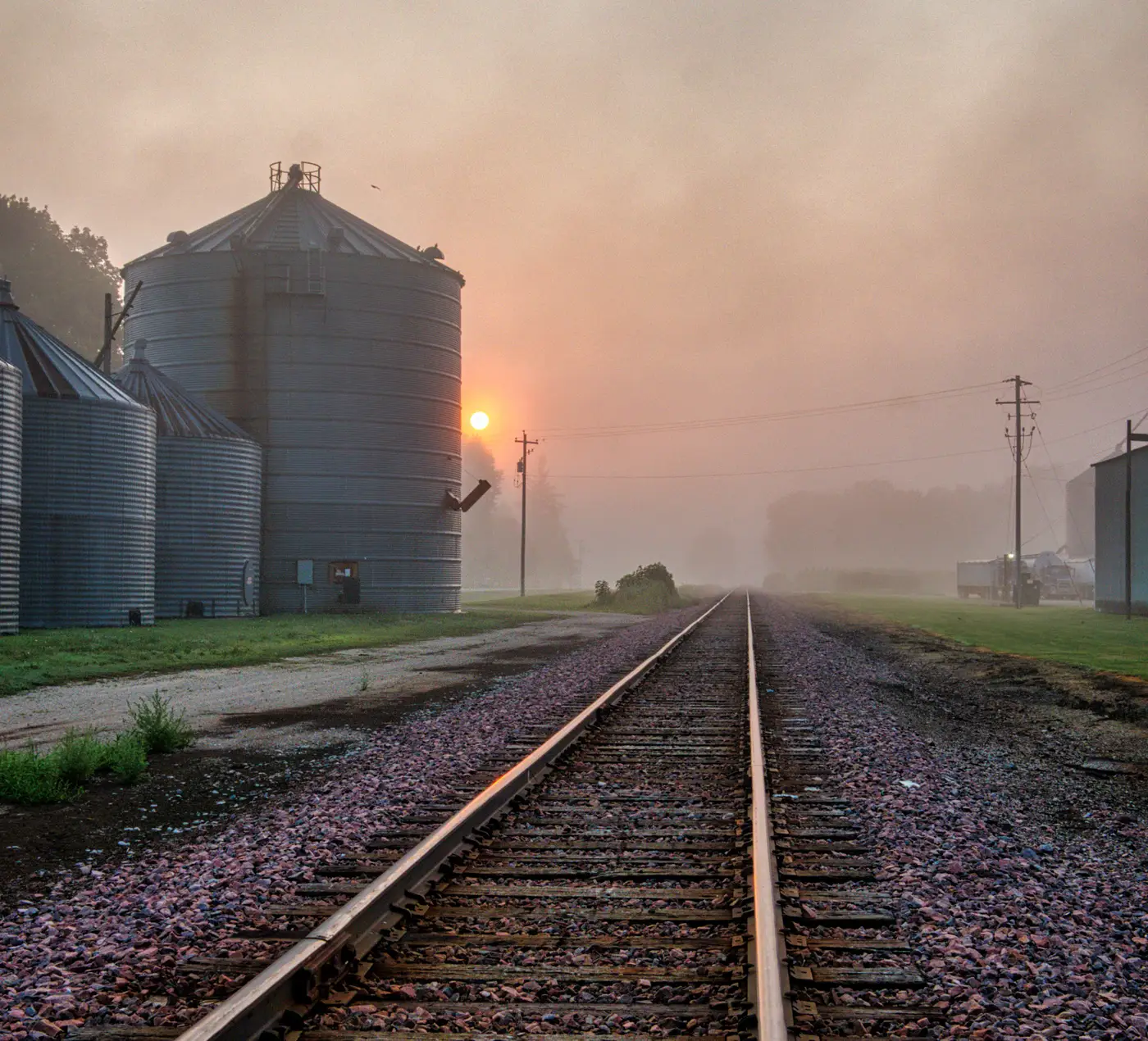
There's a particular kind of shift log entry that's hard to write and even harder to justify to anyone who doesn't do this for a living: "No change from baseline. Pattern holds." Four words that took eight hours of looks to produce, and that will probably never get read by anyone above your branch chief.
I had one of those weeks recently, on a site I'd been carrying for a few months. Vehicle count in the lay-down area, steady. Roof-mounted units in the same three positions they'd held since the spring pass. The gravel lot that fills up on Tuesdays and empties by Friday did exactly that, on schedule, the way it has for sixteen consecutive weeks. Nothing moved that wasn't supposed to move. I wrote it up as a null result and moved to the next tile.
The temptation in a week like that is to find something. Usually it's not because anyone's leaning on you, it's because staring at the same roofline for the fortieth time makes your eye start manufacturing texture that isn't there. A shadow falls differently because the sun's lower in October than it was in June, and for about ninety seconds you convince yourself a structure's been reroofed. You pull the archive, overlay the last clear pass from the same season last year, and the shadow's doing the same thing it did then. It's seasonal geometry, repeating on schedule, the way it did twelve months back.
This is the part of the job nobody writes the recruiting copy about. The value of a pattern-of-life product lives in the hundred quiet days that establish what a real deviation would even look like against this specific lot, this specific loading dock, this specific set of trucks that show up on a cycle nobody bothered to document before you did. A deviation only means something if you know, with some confidence, what normal looked like for the eighty days before it. Without that, every odd-looking frame sits disconnected from anything, a one-off with no history to measure it against.
The quiet shift gets undervalued because it produces nothing you can brief. "Everything's within tolerance" doesn't make a slide. It is the load-bearing work anyway. Every anomaly report that's ever landed on a desk and meant something was sitting on top of a pile of unremarkable Tuesdays that nobody wrote a paper on. The analyst who can tell you a count of eleven trucks is unusual is the one who logged ninety-one weeks where the count was six, seven, or eight, and treated each of those weeks as real work.
What's changed for me, practically, is how I handle the null weeks. I used to treat them as throwaway entries, three lines in a notebook. Now I treat the accumulation itself as the product, because that's what it is. A single clear image of a site tells you what was true for one afternoon. A baseline built from a long run of ordinary passes, checked against each new one as it comes in, is what lets you say "this is the first time in four months the lot's been full on a Thursday" and mean it. That's the whole premise behind a site I've started leaning on for exactly this, built around accumulating the daily ordinary into something a new pass can be measured against, so you're not asked to eyeball a single frame and trust your memory of the last one.
Nothing happened on my site this week. I wrote it down anyway, and I'll write it down again next week, because the week something does happen is going to depend on every one of these having been logged straight. Hold the baseline long enough and the anomaly finds you.
If your own site's been quiet and you want that quiet on the record instead of in your head, that's the offer.